
North Port Weeding Services
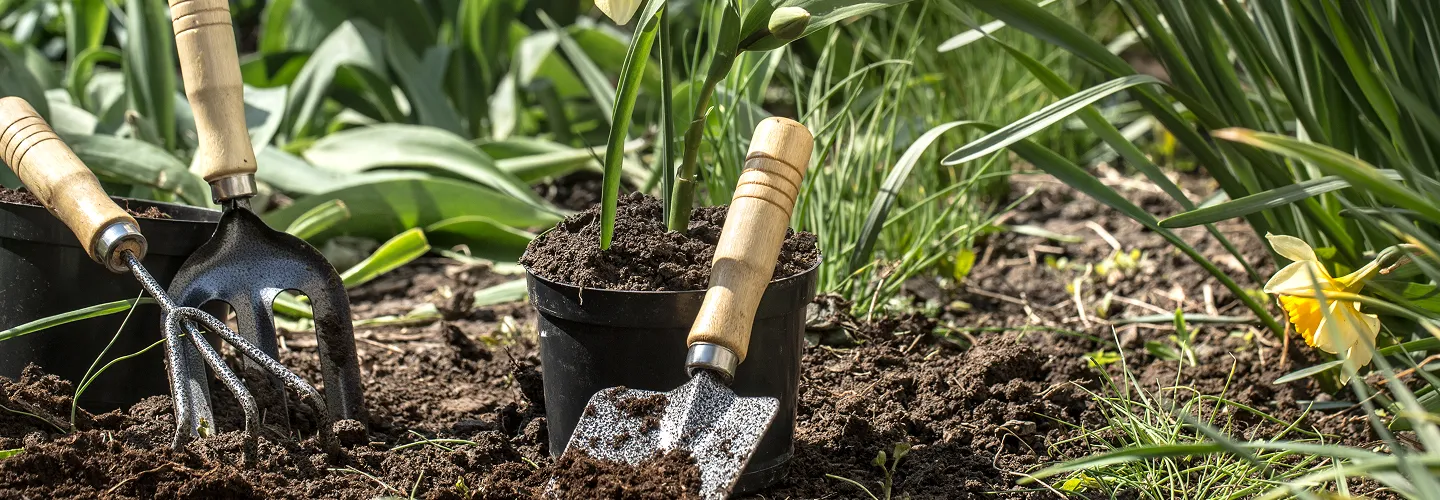
Choose our expert weeding services for a healthier, more vibrant landscape—our skilled team removes unwanted growth efficiently, ensuring your garden thrives and looks its best all year round.
Get a Free QuoteOur North Port Landscaping & Yard Care Services
When to Schedule Weeding in North Port, Florida – Seasonal Guide
In North Port, Florida, the best times to schedule weeding are closely tied to our unique subtropical climate and the specific needs of local landscapes. With mild winters and hot, humid summers, weed growth can be persistent year-round, but it tends to surge during the rainy season from late spring through early fall. Homeowners in neighborhoods like Heron Creek and Warm Mineral Springs often notice that weeds thrive after heavy summer downpours, making late spring and early fall the most effective periods for thorough weeding.
Local environmental factors play a significant role in determining the optimal weeding schedule. For example, areas near Myakkahatchee Creek or those with dense shade from mature oaks may experience different weed pressures compared to open, sun-exposed lots. Soil type, such as the sandy soils common in North Port, can also influence weed growth and removal strategies. Additionally, understanding the last frost date—typically in late January—helps avoid premature weeding that could be undone by unexpected cold snaps. For more information on local environmental guidelines, visit the Sudbury municipal site.
Local Factors to Consider for Weeding in North Port
- Tree density and shade coverage
- Soil type (sandy, loamy, or clay)
- Seasonal precipitation and drought risk
- Proximity to water features like canals or creeks
- Municipal restrictions or neighborhood association guidelines
- Terrain and accessibility of landscape beds
Benefits of Weeding in North Port
Enhanced Curb Appeal
Healthier Plant Growth
Reduced Pest Infestation
Improved Soil Quality
Increased Property Value
Professional and Reliable Service
North Port Weeding Types

Hand Weeding
-
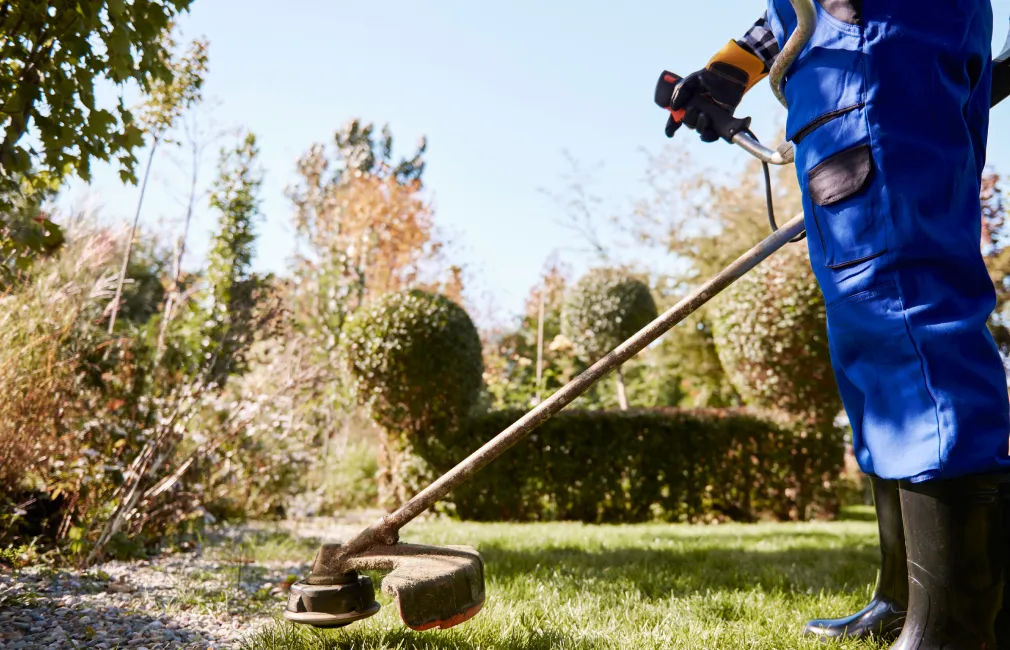
Mechanical Weeding
-
Mulching for Weed Control
-
Pre-Emergent Herbicide Application
-
Post-Emergent Herbicide Application
-
Flame Weeding
-
Soil Solarization
Our Weeding Process
Site Evaluation
Weed Identification
Manual Removal
Soil Cultivation
Preventative Measures
Why Choose North Port Landscape Services
-
North Port Homeowners Trust Us
-
Expert Lawn Maintenance
-
Reliable Scheduling
-
Competitive Pricing
-
Professional Team
-
Satisfaction Guarantee
-
Personalized Service
Coordinating Weeding Services with North Port's Stormwater and Public Works Programs
Weeding in North Port requires awareness of the city's extensive canal and stormwater infrastructure. Vegetative debris generated during weeding—including pulled root masses, soil clumps, and seed heads—must be kept out of swales, drainage inlets, and the network of canals that run through residential subdivisions. North Port Public Works oversees stormwater system maintenance, and property owners should ensure that weeding waste is collected and disposed of through the city's yard waste program rather than left along canal banks or curb inlets. When weeding near retention ponds, preserve buffers, or environmentally sensitive areas, residents and property managers should verify any applicable environmental guidelines through the city's Natural Resources division.
- Remove all pulled weeds and root material from swale edges and canal banks immediately after service
- Bundle or bag vegetative debris according to the city's current yard waste collection requirements
- Avoid depositing soil, organic matter, or herbicide-treated plant material near stormwater conveyances
- Contact Public Works to confirm current pickup schedules and accepted materials for green waste
North Port Public Works
Official Website: North Port Public Works
North Port Natural Resources
Official Website: North Port Natural Resources
How North Port's Gulf Coast Climate Drives Year-Round Weed Pressure
North Port sits within the Gulf Coast Florida climate zone, classified in USDA Hardiness Zone 10a, where mild winters and long, humid summers create conditions for nearly continuous weed germination. The city receives approximately 50–55 inches of rainfall annually, with the heaviest concentration between June and September. This wet season triggers aggressive weed flushes in landscape beds, along walkways, and throughout turf edges within days of each significant rain event.
- Sandy, low-nutrient soils: Much of North Port's residential land is developed on Myakka and similar fine sand series, which drain quickly but offer minimal weed-seed suppression, allowing rapid germination at the soil surface
- High water table: Many subdivisions sit near a seasonally high water table, keeping root zones moist and sustaining weed growth even during brief dry spells
- Humidity and fungal interaction: Persistent humidity promotes both broadleaf and grassy weed species while also encouraging fungal conditions that weaken desirable turf and ornamental plantings, giving weeds a competitive advantage
- Canal and retention pond adjacency: Properties bordering canals or retention areas experience additional moisture and nutrient availability at bed edges, intensifying weed colonization along those boundaries
Regulatory Requirements for Herbicide Use and Runoff Prevention in North Port
Any chemical weed control performed in North Port must comply with Florida's pesticide regulations. Under Florida Statutes Chapter 487, commercial applicators who apply herbicides for compensation must hold a valid license issued by the Florida Department of Agriculture and Consumer Services (FDACS). Property owners performing their own weeding are not subject to commercial licensing but remain responsible for label compliance and environmental protection.
North Port's stormwater system operates under the Florida DEP NPDES Stormwater Program, which restricts pollutant discharge into municipal storm drains and receiving waters. Herbicide drift or runoff into canals, swales, or retention ponds constitutes a potential discharge violation. Integrated pest management (IPM) principles—prioritizing hand removal, mulch suppression, and targeted spot treatment over broadcast spraying—reduce both regulatory exposure and environmental risk.
- Verify that any hired applicator holds current FDACS certification before herbicide application begins
- Do not apply herbicides when rain is forecast within 24 hours to prevent wash-off into drainage infrastructure
- Avoid spraying near canal banks, pond littoral zones, or wetland buffer areas without confirming product labeling permits aquatic-adjacent use
- Maintain records of products applied, application rates, and dates for compliance documentation
North Port Water Quality
Official Website: North Port Water Quality
Timing Weeding Around North Port's Wet Season and Warm-Season Growth Cycles
Effective weeding in North Port depends on aligning service intervals with the city's seasonal growth patterns. Pre-emergent treatments, when used, should be applied before the two primary germination windows: late February through early March ahead of spring warm-up, and again in early September as late-season weed species establish. Post-emergent hand weeding and spot treatments are most productive when performed within five to seven days after significant rainfall, before new weed seedlings develop mature root systems.
- Wet season (June–September): Schedule weeding every two to three weeks; rapid germination after daily afternoon storms demands shorter intervals
- Dry season (November–April): Monthly weeding is often sufficient, though irrigated beds may still produce steady weed growth
- Mulch maintenance: Replenish mulch to a depth of two to three inches in landscape beds to suppress germination between service visits; avoid piling mulch against plant stems or tree trunks
- Morning service timing: Perform hand weeding and herbicide application in early morning hours when wind speeds are lowest and soil moisture aids complete root extraction
- Bed-edge management: Maintain clean edges between turf and planting beds to reduce rhizome and stolon encroachment from grassy weeds such as torpedograss and crabgrass, both common in North Port's sandy soils
As recommended by UF/IFAS Gardening Solutions, removing weeds before they set seed is the single most effective long-term suppression strategy in Florida's extended growing season.
What Neighborhoods Do We Serve Throughout North Port, FL?
- North Port Estates: Large residential lots with mature landscaping and sandy soils create persistent bed-edge weed pressure, particularly along unfenced rear property lines adjacent to drainage easements
- Warm Mineral Springs: Properties near the spring and surrounding park areas often feature older plantings with minimal mulch coverage, requiring frequent hand weeding to manage broadleaf weed encroachment
- Wellen Park: Newer subdivision construction on graded fill soils produces rapid weed colonization in recently installed beds and along freshly sodded turf borders before plantings fully establish
- Cocoplum Waterways: Canal-adjacent lots experience elevated moisture at bed edges, promoting year-round weed growth that demands shorter service intervals and careful herbicide placement away from waterways
- Heron Creek: Golf-course-community landscaping standards and HOA maintenance expectations require consistent weed-free bed presentation, with particular attention to ornamental bed borders and common-area plantings
- Talon Bay: Properties in this developing area often have compacted fill soils and limited established ground cover, creating open conditions that favor aggressive weed species during the wet season