
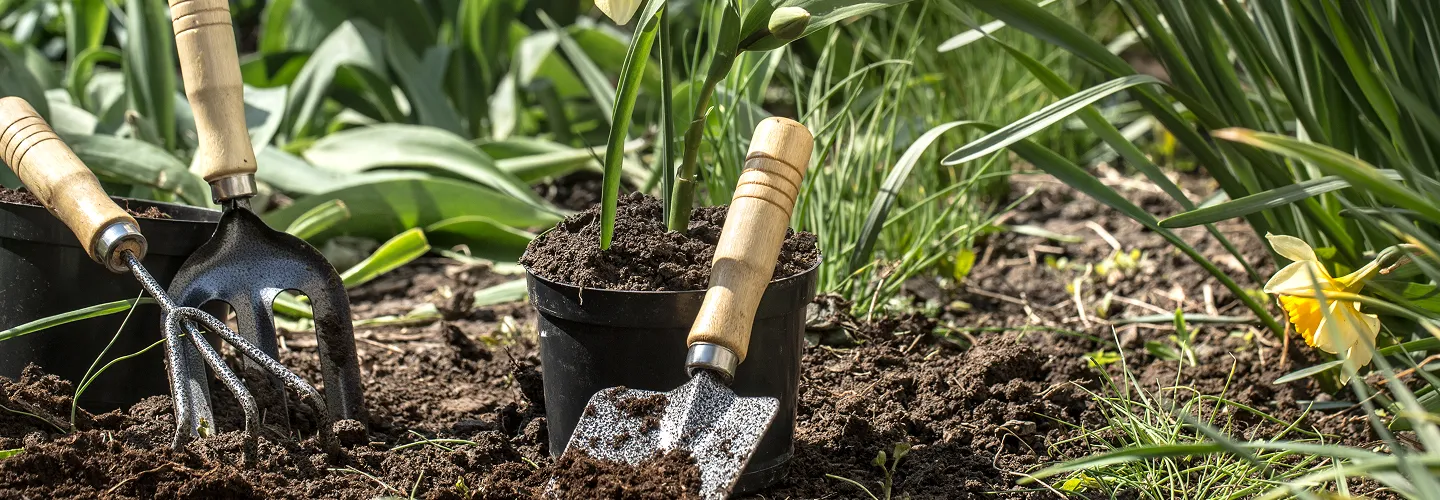
North Port Green Waste Disposal Services
Choose our Green Waste Disposal for reliable, environmentally responsible removal that keeps your property clean and supports a greener community.
Get a Free QuoteOur North Port Landscaping & Yard Care Services
When to Schedule Green Waste Disposal in North Port, Florida – Seasonal Guide
In North Port, Florida, the timing of green waste disposal is closely tied to our unique subtropical climate and the rhythms of local landscaping needs. The optimal periods for scheduling green waste removal are typically late winter through early spring, just after the last frost date, and again in late summer before hurricane season peaks. These windows allow homeowners in neighborhoods like Heron Creek and Warm Mineral Springs to clear away fallen branches, palm fronds, and other debris before new growth or storm risks increase.
Local environmental factors play a significant role in determining the best disposal schedule. North Port’s sandy soils drain quickly but can dry out during spring droughts, making it important to remove excess organic matter that could inhibit healthy turf and plant growth. High humidity and dense shade in areas near Myakkahatchee Creek can accelerate decomposition, but also foster mold and pests if waste is left too long. For more information on local guidelines and resources, visit the official city website.
Local Factors to Consider for Green Waste Disposal in North Port
- Tree density and types (e.g., live oaks, palms, pines)
- Proximity to water bodies and flood-prone zones
- Seasonal precipitation and hurricane preparedness
- Municipal collection schedules and restrictions
- Terrain and accessibility for removal equipment
- Soil type and drainage characteristics
By considering these local factors, North Port residents can ensure their green waste disposal is both efficient and environmentally responsible.
Benefits of Green Waste Disposal in North Port
Eco-Friendly Landscaping Solutions
Efficient Green Waste Removal
Promotes Healthy Plant Growth
Reduces Landfill Waste
Supports Local Sustainability
Enhances Property Appearance
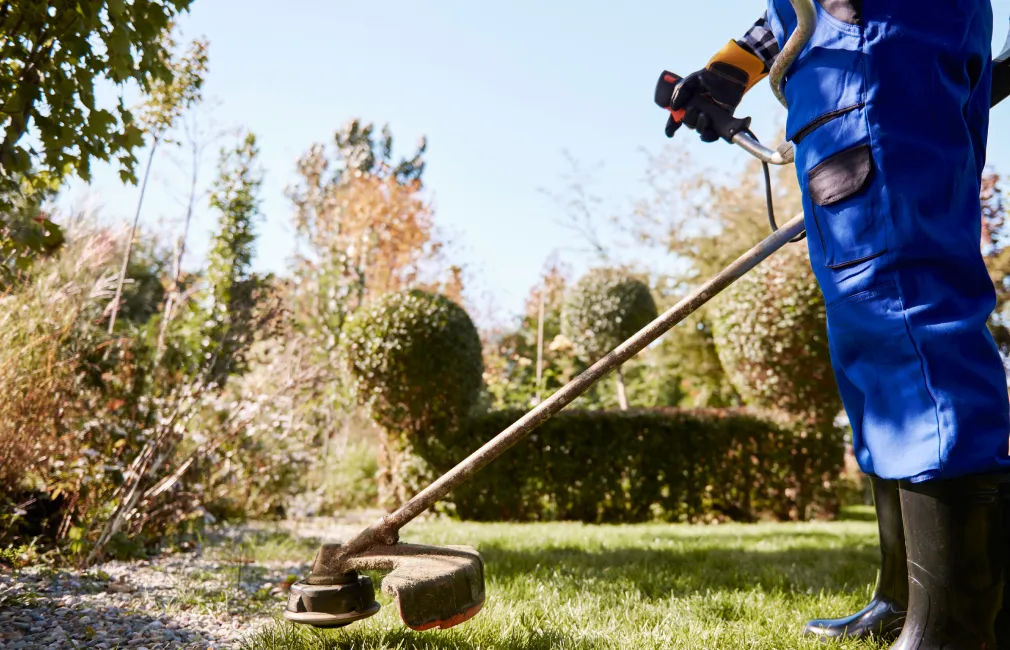
North Port Green Waste Disposal Types

Grass Clippings
-
Tree Branches
-
Shrub Trimmings
-
Leaves Collection
-
Palm Fronds
-
Garden Weeds
-
Mulch Disposal
Our Green Waste Disposal Process
Collection of Green Waste
Sorting and Separation
Transport to Disposal Facility
Eco-Friendly Processing
Why Choose North Port Landscape Services
-
North Port Homeowners Trust Us
-
Expert Lawn Maintenance
-
Reliable Scheduling
-
Competitive Pricing
-
Professional Team
-
Satisfaction Guarantee
-
Personalized Service
Coordinating Green Waste Disposal Through North Port's Public Works and Sanitation Programs
Green waste disposal in North Port requires coordination with the city's municipal collection framework, which governs how vegetative debris—grass clippings, palm fronds, shrub trimmings, tree branches, and other organic yard materials—moves from residential and commercial properties to approved processing facilities. North Port Public Works oversees sanitation coordination, stormwater system maintenance, and right-of-way upkeep, making it the primary point of contact for residents and property managers seeking guidance on accepted materials, bundling specifications, container requirements, and scheduled collection procedures. Before placing green waste curbside, property owners should verify current requirements directly with the city, as collection rules may differ for residential accounts versus commercial generators. Organic debris must not be placed over storm drains, swale inlets, or canal banks, where it can obstruct drainage infrastructure maintained by the city.
- Confirm whether green waste must be bundled, containerized, or loose-piled based on current city guidelines
- Separate green waste from construction debris, household trash, and non-organic bulk items
- Keep all vegetative material clear of stormwater inlets, roadside swales, and canal edges
- Contact Public Works to verify any size or weight limits for curbside branch placement
North Port Public Works
Official Website: North Port Public Works
How North Port's Gulf Coast Climate Shapes Green Waste Volume and Timing
North Port sits within Florida's Gulf Coast corridor in southern Sarasota County, classified in USDA Hardiness Zone 10a, where subtropical conditions drive year-round vegetative growth and correspondingly high volumes of organic debris. Several regional factors directly affect green waste generation and disposal logistics:
- Wet-season growth surges: From roughly June through October, North Port receives the majority of its approximately 50–55 inches of annual rainfall, accelerating turf growth, palm frond drop, and shrub expansion—all of which increase curbside green waste volume significantly
- Sandy, poorly drained soils: Much of North Port's residential landscape sits on sandy flatwoods soils with a high seasonal water table, meaning organic debris left on the ground surface can impede already limited drainage and contribute to localized ponding
- Hurricane and tropical storm debris: Gulf Coast storm events generate sudden surges of downed branches, palm material, and uprooted vegetation that require rapid disposal coordination beyond routine collection schedules
- Year-round growing season: Unlike northern climates with a dormant winter period, North Port's mild winters sustain continuous leaf drop from live oaks, sabal palms, and subtropical ornamentals, producing green waste in every month of the year
These conditions make timely disposal essential for maintaining drainage function and preventing organic material from decomposing into swales, canals, and the Myakkahatchee Creek watershed. The Florida DEP NPDES Stormwater Program provides additional context on how vegetative debris interacts with municipal stormwater systems.
Navigating North Port's Environmental and Stormwater Regulations for Green Waste
Proper green waste disposal in North Port intersects with multiple layers of environmental regulation designed to protect the city's extensive canal network, wetlands, and downstream water bodies. Property owners and service providers should be aware of the following compliance considerations:
- Stormwater system protection: Under the federal Clean Water Act and Florida's MS4 stormwater permit framework, organic debris that enters storm drains or canal systems contributes nutrient loading and oxygen depletion in receiving waters; green waste must be kept away from all drainage conveyances
- Tree removal permitting: When green waste disposal follows tree removal, the city's Natural Resources division administers tree removal permitting and arborist review requirements that may apply depending on species, size, and location
- Right-of-way restrictions: Vegetative debris placed in the public right-of-way must comply with city placement standards; material blocking sidewalks, sight triangles, or drainage swales may trigger code enforcement action
- Commercial hauler requirements: Commercial landscape operators generating green waste on client properties should verify whether the city requires use of licensed haulers or approved disposal facilities for volumes exceeding residential thresholds
The EPA's guidance on stormwater discharges from municipal sources outlines the broader regulatory framework that shapes local enforcement priorities.
North Port Natural Resources
Official Website: North Port Natural Resources
North Port Tree Removal & Arborist Services
Official Website: North Port Tree Removal & Arborist Services
Timing and Methods for Green Waste Disposal in North Port's Subtropical Environment
Effective green waste management in North Port depends on aligning disposal practices with the city's subtropical growth cycles and weather patterns. Professional standards and practical timing considerations include:
- Post-mowing clipping management: During the wet season, St. Augustinegrass and bahiagrass may require mowing every five to seven days; clippings should be mulched in place when possible or collected and disposed of promptly to prevent matting over turf and swale surfaces
- Storm-preparation clearing: Before the peak of hurricane season in August and September, proactive pruning of dead palm fronds, weak branches, and overgrown shrub material reduces the volume of storm-generated debris and eases post-storm disposal demand
- Separation at the source: Green waste should be separated from soil, rock, sod with attached dirt, and any treated or painted wood; contaminated loads may be rejected at processing facilities
- Prompt curbside placement: Organic material left in piles for extended periods attracts pests, generates odor in North Port's heat and humidity, and can leach tannins and nutrients into adjacent drainage features
Property managers overseeing multiple lots should coordinate disposal schedules to avoid overwhelming collection capacity during peak growth months. The UF/IFAS resource on protecting Florida's water resources provides guidance on preventing yard waste from contributing to nutrient pollution in local waterways.
What Neighborhoods Do We Serve Throughout North Port, FL?
- North Port Estates — Large, often unimproved lots in this area generate significant volumes of native vegetation debris, including saw palmetto and slash pine material, requiring careful disposal coordination due to limited curb infrastructure
- Warm Mineral Springs — Properties near the springs and surrounding park areas frequently manage mature live oak leaf drop and palm frond accumulation, with drainage sensitivity due to proximity to natural water features
- Cocoplum Waterways — Canal-adjacent lots in this subdivision demand strict separation of green waste from waterway edges to protect water quality and maintain canal bank stability
- Heron Creek — This master-planned community with HOA oversight typically maintains consistent green waste schedules, with disposal volumes driven by manicured turf, ornamental hedges, and common-area landscaping
- Toledo Blade corridor — Properties along this central corridor experience high visibility and code enforcement attention, making timely green waste removal from rights-of-way particularly important
- Myakkahatchee Environmental Park vicinity — Residential lots bordering preserved lands and the Myakkahatchee Creek corridor require careful handling of vegetative debris to prevent organic material from migrating into protected habitat areas